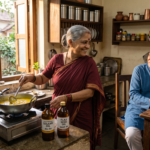

The moment monsoon clouds roll in over Hyderabad, lakhs of people with arthritis and chronic joint pain (known in Telugu as వాత నొప్పులు or కీళ్ల నొప్పులు) brace for the same thing—swollen knees, stiff fingers, and aching shoulders that make even small movements painful. If you are one of them, you have probably already tried balms, hot water bags, and painkillers with mixed results. What many Indian households are now turning back to is something their grandparents always trusted: cold-pressed oils for joint pain. Unlike refined oils stripped of nutrients during processing, cold-pressed and wood-pressed oils retain natural anti-inflammatory compounds that can genuinely ease monsoon joint pain when used correctly—both as a massage oil and in your daily cooking.
Why Joint Pain Gets Worse Every Monsoon
Doctors have long debated whether weather truly affects arthritis, but a large review of fourteen observational studies found a consistent pattern: osteoarthritis pain tends to rise as barometric pressure drops and humidity climbs—exactly the conditions India sees through its monsoon months. The likely explanation is mechanical. As atmospheric pressure falls before and during rain, the tissues around joints expand slightly, putting extra pressure on already inflamed cartilage and nerve endings. Add the fact that most people move less in heavy rain, and stiffness compounds quickly. For Hyderabad’s older population especially, June to September often brings a noticeable spike in knee pain, finger stiffness, and lower back ache. You cannot control the weather, but you can support your joints from the inside out—and that is exactly where cold-pressed oils come in.
Why Cold Pressed Oils Work Better Than Refined Oils for Joint Pain
Refined oils go through high-heat processing and chemical treatment that strips away much of the vitamin E, polyphenols, and natural fatty acid structure of the original seed. Cold-pressed and wood-pressed (ghani) oils, on the other hand, are extracted at low temperatures without solvents, so they retain compounds your body actually needs to fight inflammation—linoleic acid, sesamol, ricinoleic acid, and natural antioxidants, depending on the seed.
These compounds work in two ways. Applied as a warm massage oil, they penetrate the skin and help relax muscles around stiff joints, improve local blood circulation, and reduce swelling. Consumed in cooking, the same fatty acids help lower inflammation markers in the body over time, which is the real long-term lever for managing arthritis. This is exactly why cold-pressed oils for joint pain have become a trusted home remedy across Telugu households this monsoon—modern research is simply catching up with what traditional Indian kitchens already knew.

5 Best Cold Pressed Oils for Joint Pain & Arthritis Relief
1. Cold Pressed Sesame (Til) Oil
Sesame oil is one of the most researched oils for joint health. In an osteoarthritis rat model, daily sesame oil supplementation reduced joint pain by lowering oxidative stress in the surrounding muscle tissue. It is rich in sesamol and sesamin, two compounds with proven anti-inflammatory activity. For monsoon joint pain, warm a few tablespoons of cold-pressed sesame oil and massage gently into knees, shoulders, and finger joints before a hot water bath. In the kitchen, its nutty flavor works well for tempering and stir-fries, adding internal anti-inflammatory support too.
2. Cold Pressed Castor Oil
Castor oil’s main fatty acid, ricinoleic acid, has been shown in controlled inflammation studies to reduce swelling and pain when applied topically, with an action similar to capsaicin-based pain relief. This is why castor oil packs — a warm cloth soaked in castor oil placed over the affected joint — remain one of the most trusted home remedies for arthritis in Indian households. For best results, warm cold-pressed castor oil slightly, massage it into the joint in circular motions, and leave a thin layer on overnight wrapped in cotton cloth.
3. Wood Pressed Mustard Oil
Mustard oil’s pungency comes from allyl isothiocyanate, a compound traditionally believed to generate warmth at the application site and ease deep muscle and joint stiffness. Many households in North and Central India use warm mustard oil massages specifically during monsoon and winter for this reason. Wood-pressed mustard oil retains more of this active compound than refined versions because it skips high-heat chemical extraction. A warm oil massage twice a week, especially before bed, can noticeably ease morning stiffness for people with mild to moderate joint pain.
4. Cold Pressed Groundnut Oil
Groundnut (peanut) oil contains resveratrol and other polyphenols that support healthy circulation, which matters because better blood flow to stiff joints helps reduce swelling and speeds up recovery after a flare-up. It also has a high smoke point, making it practical for everyday Indian cooking without losing its nutrient profile. While it is gentler than sesame or castor oil for direct massage, including cold-pressed groundnut oil in your regular cooking is an easy way to support joint health from the inside.
5. Wood Pressed Coconut Oil
Coconut oil contains lauric acid and medium-chain fatty acids with mild anti-inflammatory properties, and its lightweight texture makes it easy to layer with other oils during a massage. Many people across Hyderabad and coastal Andhra mix wood-pressed coconut oil with castor or sesame oil for a combination massage blend—the coconut oil helps the heavier oils spread evenly and absorb faster, especially in humid monsoon weather when skin tends to feel sticky.
How to Use Cold Pressed Oil for Joint Pain Relief (Ayurvedic Massage Method)
Ayurveda calls oil massage “Abhyanga,” and the technique matters as much as the oil itself.
- Warm the oil slightly — never boiling hot — by placing the bottle in warm water for a few minutes.
- Apply oil generously to the affected joint and massage in slow, circular motions for 5 to 10 minutes.
- Use upward strokes on the limbs and circular strokes directly over knees, elbows, and knuckles.
- Let the oil sit for at least 20 to 30 minutes before a warm water bath—avoid cold water right after.
- Repeat 3 to 4 times a week through monsoon, more often during an active flare-up.
For chronic arthritis, alternating between castor oil one night and warm sesame oil the next tends to give the best combination of deep penetration and circulation support.
Eat Your Way to Less Inflammation: Cooking with Cold-Pressed Oils
Massage gives quick, local relief, but what you cook with every day has a bigger long-term impact on inflammation throughout the body. Replacing refined sunflower or palm oil with cold-pressed groundnut, sesame, or wood-pressed coconut oil in daily cooking gradually shifts your fatty acid intake toward the anti-inflammatory side. Pair this with turmeric, ginger, and garlic — already common in most Telugu kitchens — and you have a simple, sustainable way to manage joint pain without depending entirely on painkillers. The key is consistency: one meal will not fix arthritis, but a few months of cooking with the right oils can measurably ease monsoon flare-ups.
Precautions Before You Start
Cold-pressed oils are a natural support, not a replacement for medical treatment. If you have rheumatoid arthritis, gout, or any autoimmune joint condition, check with your doctor before starting an oil massage routine, especially if you are on blood thinners or other prescription medication. Always do a small patch test before using a new oil on your skin, particularly mustard or castor oil, which can occasionally irritate sensitive skin. Avoid massaging directly over swollen, hot, or broken skin, and stop immediately if you notice increased redness or discomfort.
Conclusion
Monsoon does not have to mean months of stiff knees and aching joints. Used consistently—as a warm massage oil and as part of your daily cooking—cold-pressed oils for joint pain offer a natural, affordable way to ease inflammation that Indian households have relied on for generations. Start with sesame or castor oil for massage, switch your cooking oil to a cold-pressed or wood-pressed option, and give your body 4 to 6 weeks to respond.
Browse Srikruti Naturals’ full range of cold-pressed castor oil and wood-pressed sesame oil to build your monsoon joint-care routine today.